From Maps to GPS: The New Navigation of Talent
Written by Dr. Angela Robbins
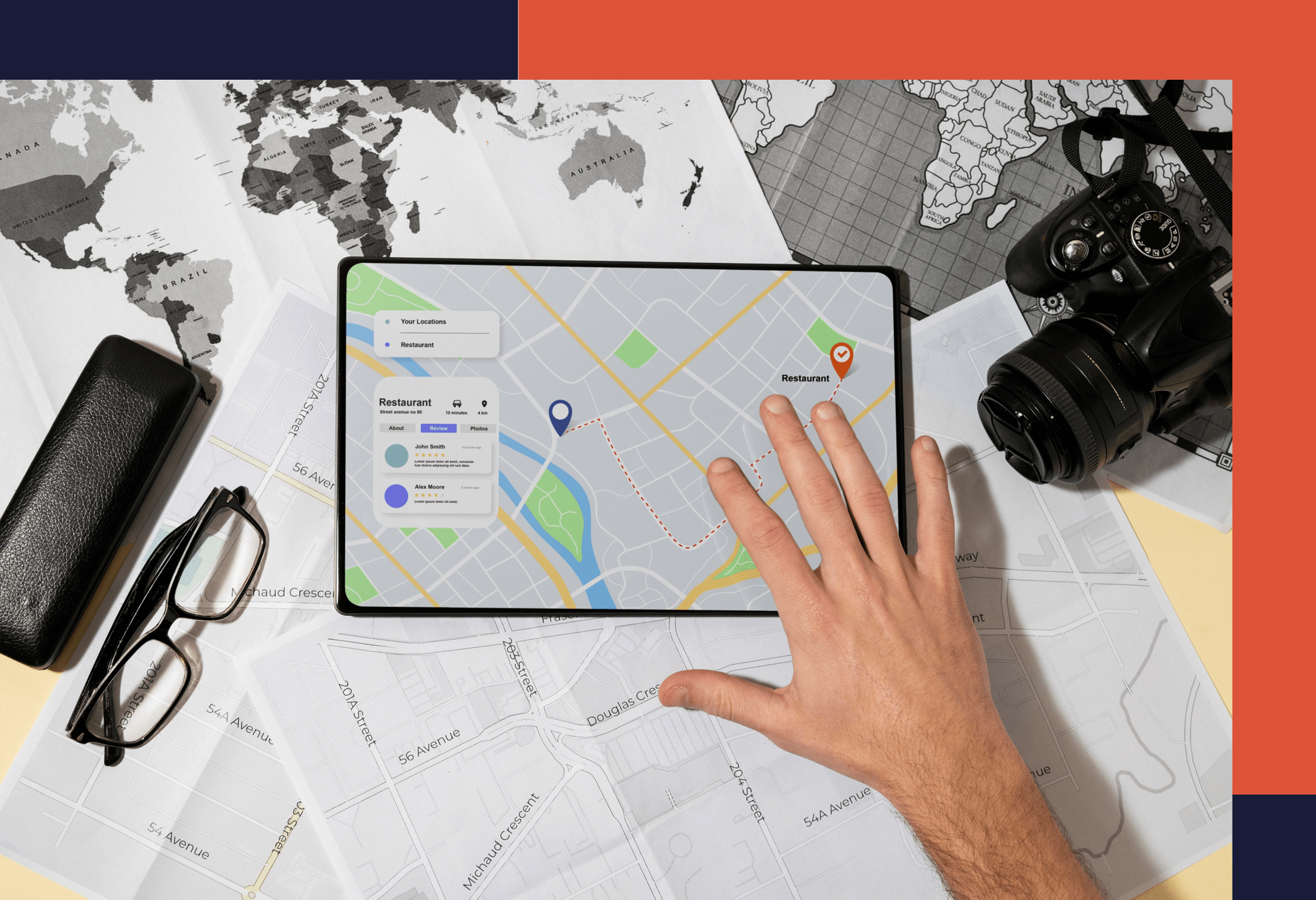
Organizations have relied on job titles and static role descriptions for years to guide hiring and training, like using a paper map to plan a journey. It worked when the terrain was predictable, and the roads rarely changed. But today’s workplace is anything but stable. AI is redrawing the landscape, skill demands are shifting faster than org charts, and agility is no longer optional.
Enter the skills-first approach, the GPS of modern talent development. Instead of plotting a fixed route based on roles, it adapts in real time to the learner’s goals, the organization’s needs, and the ever-changing environment. It’s responsive, personalized, and built for the unexpected.
Whether you’re in tech, healthcare, finance, manufacturing, or education, this shift is already underway. The question isn’t if your organization will embrace skills-first learning; it’s how fast you’ll make the transition.
In this post, we’ll explore:
- Why the skills-first model is gaining traction across industries
- What it means for L&D leaders and instructional designers
- Practical strategies to implement it effectively
- And how it drives agility, equity, and long-term growth
Let’s trade in the map and build the GPS that guides your workforce into the future.
Why Skills-First Matters for Everyone
Shifting to a skills-first mindset isn’t just the latest buzzword; it’s a smart, strategic move for today’s fast-changing workplace. Across industries, leaders realize that job titles don’t tell the whole story. What really counts is what people can do.
Skills are now the fuel for agility, innovation, and resilience.
Why This Shift Is Happening Now
- AI and automation are rewriting job descriptions daily. People need to keep up, not just with new tools, but with new ways of working.
- Skills don’t last as long as they used to. What was innovative five years ago might be outdated today. Staying current means staying skilled.
- Employees want flexibility and growth. A skills-first approach helps people pivot, stretch, and find new opportunities, without being boxed in by titles.
- Equity is front and center. Focusing on abilities instead of resumes opens doors to diverse talent and creates more inclusive workplaces.
Real-World Examples
Across industries, the shift to skills-first hiring and development is already taking shape. Tech companies prioritize coding fluency, UX empathy, and adaptability over traditional “developer” titles, focusing on what candidates can do. In healthcare, frontline staff are trained in data literacy, patient communication, and digital tools to meet evolving demands. Finance firms are investing in upskilling analysts with competencies in AI ethics, cybersecurity, and cross-functional collaboration. Manufacturing is reskilling its workforce to operate innovative systems, perform predictive maintenance, and manage digital workflows. Meanwhile, education and public sector organizations embrace skills-first models to promote lifelong learning and drive meaningful community impact. The common thread: skills are becoming the foundation for agility, relevance, and growth.
No matter what field you’re in, one thing is certain: the ability to recognize, develop, and apply skills is quickly becoming one of an organization’s most powerful advantages.
What Skills-First Means for L&D Leaders
The shift to a skills-first workplace is more than a talent strategy; it is a call to action for learning and development leaders. As roles become more fluid and business needs evolve, L&D must move beyond simply delivering content and instead focus on building real capability. That means designing learning around core skills like problem-solving, collaboration, digital fluency, and leadership, skills that apply across roles and drive agility. Instructional designers need to ask sharper questions: What skills truly drive performance? How can we make learning modular, stackable, and personalized? And how do we stay relevant when tomorrow’s roles haven’t been defined yet?
To meet this moment, L&D teams must align learning with business outcomes, not just compliance checklists. They must design for adaptability using microlearning, scenario-based design, and real-time feedback. GenAI and data can help pinpoint skill gaps, personalize learning paths, and forecast future needs. Inclusion must be a priority, as well as building programs that recognize diverse experiences and empower non-traditional learners. When organizations embrace this shift, L&D becomes a strategic growth engine, driving innovation, retention, and resilience. For leaders, it’s a chance to shape not just how people learn, but how they thrive.
Practical Strategies to Put Skills-First into Action
To shift to a skills-first model, you don’t need to overhaul everything; start with intentional design. L&D leaders can build from where they are, using innovative strategies that connect learning to real-world performance.
Start with

Skill Mapping
Identify the core skills that drive success, technical know-how, and human strengths like problem-solving, collaboration, and adaptability. Then link those skills to business outcomes: What does success look like in this role? Which skills are essential now, and which are emerging? This becomes your roadmap for training, talent development, and internal mobility.
Build Modular, Stackable Learning
Break learning into small, flexible pieces that build toward mastery. Use microlearning for quick wins, scenario-based training for real-world practice, and badges or credentials to mark progress. This keeps learning personalized, timely, and easy to adapt.
Use GenAI and Data to Guide DecisionsAI tools can help spot skill gaps, recommend tailored learning paths, and predict future needs. It’s not just about automation, it’s about making smarter, faster choices on where to focus and how to grow.
Design for Agility and Inclusion
No matter your industry, technology, healthcare, manufacturing, or nonprofit, the skills-first approach delivers real, measurable benefits.
- More Agility
When roles shift or innovative technology emerges, employees with transferable skills can adapt quickly, as there is no need to wait for a title change or retraining cycle.
Example: A customer service rep with data skills can move into a CX analytics role because the focus is on capability, not hierarchy. - Better Retention and Mobility
People stay where they can grow. Skills-first models make career paths more straightforward and development more accessible, leading to higher engagement and lower turnover. - Greater Equity and Inclusion
By focusing on what people can do, not where they’ve worked or studied, organizations open doors to diverse, nontraditional talent. It also supports reskilling for displaced workers and emerging professionals. - Smarter Growth
Upskilling internal talent is often faster and cheaper than hiring externally. Clear skill pathways reduce onboarding time, cut costs, and boost productivity. - Stronger Business Alignment
Skills-first learning connects directly to strategic goals. It’s not just training, it’s building the capabilities that drive innovation, resilience, and competitive edge.
A Call to Action
Shifting to a skills-first workplace isn’t just about keeping up; it’s about moving forward purposefully. It’s how organizations stay flexible, how teams grow stronger, and how people reach their full potential.
For L&D leaders, this is a turning point. We’re not just creating courses; we’re building real capability. We’re not just filling jobs, we’re staying relevant. And we’re not just reacting to change; we’re helping shape it.
It’s time to ditch the old map and build a GPS that helps learners navigate complexity, seize opportunity, and grow based on what they can do, not just what their title says.
Start here:
- Review your programs through a skills-first lens
- Align learning with outcomes, not job titles
- Design for flexibility, inclusion, and real-world impact
When learning is built around skills, everyone moves forward, together. With eLearningDOC as your partner, that journey becomes clearer, faster, and more impactful. From mapping core capabilities to designing agile, inclusive learning experiences, we help organizations turn strategy into action and empower teams to grow purposefully. For more information or to schedule a consultation, contact eLearningDOC today. We’re ready to help you turn a skills-first strategy into real-world impact.