Playing to Learn: How Game-Based Mechanics Boost Motivation
Written by Dr. Diana Brandon
Ever cruised through an online compliance course after a long workday—and found your mind wandering halfway through? Let’s try this: imagine the same course, but now every section is a “mission.” You unlock scenarios, score points for sharp decisions, and watch a progress bar nudge closer to “mission complete.” Suddenly, what felt like a chore turns into an adventure. You’re hooked—not just by fun and games, but by real motivation to finish strong.
What’s Behind Game-Based Mechanics?
Let’s break down some key ideas so we’re all on the same page:
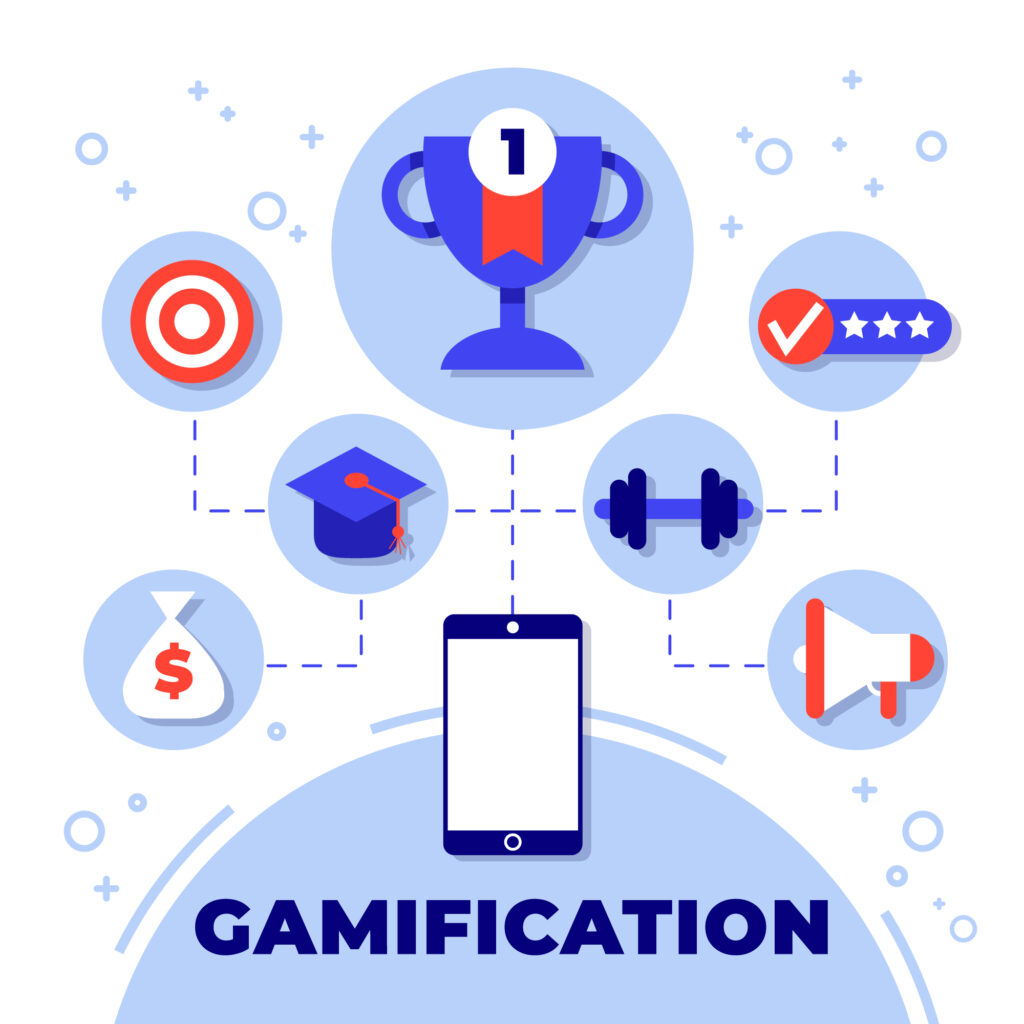
- Gamification adds game-like elements (points, levels, leaderboards) to a regular learning activity. Think safety training with badges for each module, or online courses that let you rack up a score. Even earning LinkedIn badges or leveling up in onboarding programs counts here.
- Game-based learning means the lesson is the game. Imagine nursing students participating in virtual ER simulations or using escape rooms to test their knowledge. You don’t play for game “extras,” leaning happens as you play. A language app like Duolingo®? That’s game-based learning at its best: earn badges, build streaks, rise to challenges, and learn by doing.
- Mechanics are the rules, feedback loops, and systems, earning points, cracking challenges, leveling up, and teaming up. In learning, these keep things purposeful and help you see progress, not just entertainment.
Why Do Game-Based Mechanics Work?
Games are built around cycles of effort, feedback, and reward. You take action, get instant feedback, and adjust accordingly. Humans are wired to learn through trial, error, and progress; games put that instinct to work.
Picture a sales training simulation. You don’t just read about customer objections, you step into branching scenarios, face tough choices, and watch the meter inch up as you get closer to a closed deal. Each decision unlocks consequences—positive or negative—but there’s no penalty for honest mistakes. The result? Real engagement and longer-lasting learning than any typical lecture.
Design Smarter, Not Flashier
When designing projects that use game-based mechanics, keep these points in mind:
- Keep mechanics tied to real achievement. A badge means something, not just a completed quiz.
- Give clear feedback. Whether it’s points or scenario outcomes, make sure learners know why things work (or don’t).
- Balance rewards. Sprinkle in badges and scores, but don’t forget deeper motivators, such as mastery, relevance, and problem-solving.
- Know your audience. Kids respond to play and competition; adults want autonomy and practical skills.
- Simplicity wins. A well-integrated mechanic beats something flashy that misses the mark.
Kids vs. Adults: Different Drivers
Learners of all ages can benefit from engaging, game-based approaches, but the way they respond hinges on age and underlying educational philosophy. This distinction takes center stage in the concepts of pedagogy and andragogy, which shape how designers should approach motivation, feedback, and reward.
- Pedagogy describes child-focused learning, where the teacher acts as guide and authority, setting clear rules and shaping progress through external motivators. Children thrive when learning feels playful and competitive, making them eager to chase badges, climb leaderboards, and aim for tangible rewards. These extrinsic incentives create energy, spark participation, and help kids build confidence in their skills as they see their names rise in friendly classroom rankings.
- Andragogy, on the other hand, centers on adult learning, where independence and personal relevance drive motivation. Adults want to see how a skill or scenario connects to their real-life roles and responsibilities. Game mechanics that highlight autonomy, encourage choice, or mimic actual workplace challenges empower adults to test strategies and witness the outcomes in a safe, simulated environment. Here, the “reward” is mastering a scenario that feels meaningful and seeing the ripple effects of their decisions play out just as they might in real work or life.
At the end of the day, kids learn through play; adults learn through purpose. Both groups thrive when game-based design reflects what truly motivates them. The key? Tailor mechanics to match the audience’s natural drivers and learning style for lasting engagement and genuine progress.
Real-Life Examples
Healthcare Training
A regional hospital recently redesigned its nurse onboarding program using game-based mechanics. Traditionally, new hires sat through a series of lectures and quizzes that felt overwhelming and disconnected from their daily responsibilities.
The revised program introduced a simulation-based “day on the floor.” Nurses entered a virtual patient ward where they made decisions about administering medication, handling emergencies, and prioritizing patient needs. Each correct action earned points, but more importantly, each decision branched into new scenarios—showing the ripple effects of their choices.
The results were striking. Not only did knowledge retention scores improve, but nurses reported feeling more confident stepping into real clinical situations. By aligning mechanics with adult learning principles, the hospital created an experience that was engaging, practical, and relevant.
The Math Quest
A middle school teacher wanted to increase participation in math problem-solving practice. Instead of traditional worksheets, she designed a classroom challenge called “Math Quest.” Students worked through problem sets framed as “quests,” earning points for correct answers and unlocking new “levels” of difficulty as they progressed. A class leaderboard tracked team scores, fueling excitement and healthy competition.
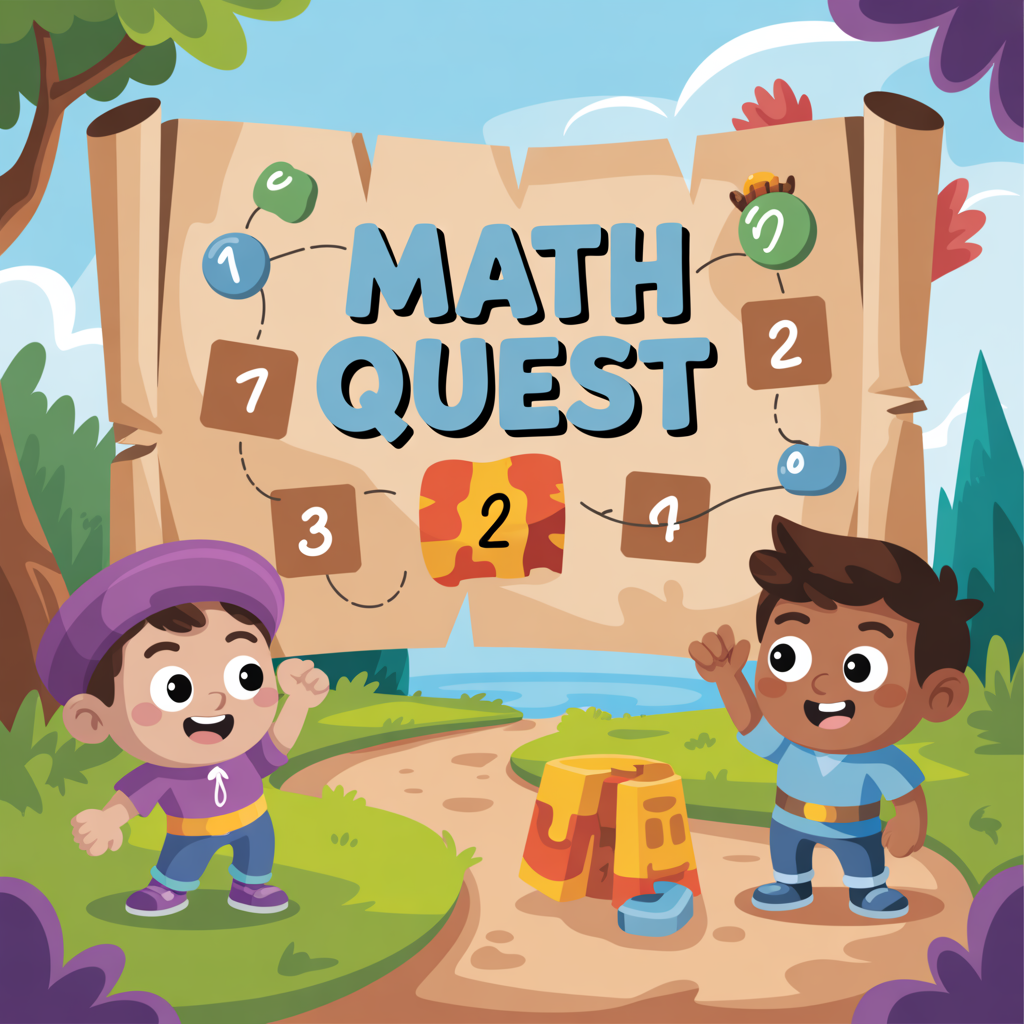
Students who were usually reluctant to raise their hands became eager to participate, motivated not only by the points but also by the sense of adventure. In this case, the extrinsic motivators of badges, levels, and competition fit perfectly with pedagogical principles. This helped students stay engaged long enough to build intrinsic confidence in their math skills.
Mixing and Matching
You don’t need to gamify every last detail. Mix solid content and interactives with a few simulations for a balanced, effective experience. Interactive modules plus realistic scenarios? It’s the best of both worlds.
Quick Checklist: Before You Design
- Define the learning goal. What skill or knowledge should stick?
- Know your audience: children or adults? Pedagogy or andragogy?
- Pick game mechanics that reinforce the goal: points, badges, levels, scenarios.
- Build fast, clear feedback loops.
- Blend extrinsic and intrinsic motivators: make rewards count.
- Test with real learners: does it resonate?
- Keep it focused and simple: avoid needless complexity.
When learning feels like progress, motivation follows. Whether you are teaching middle schoolers algebra or onboarding nurses, a thoughtful dose of game-based mechanics can turn “I have to do this” into “I want to see what happens next.”